skip to Main Content
Give Us A Shout!

Drop-in visitors always welcome during business hours.
You can call or send us a message for appointments.

519 Ellice Street
Victoria, BC
V8T 2G8
 250-382-1113

(250) 382-1113 Mon-Fri 8am - 5PM

Need to Know: Drive Shafts

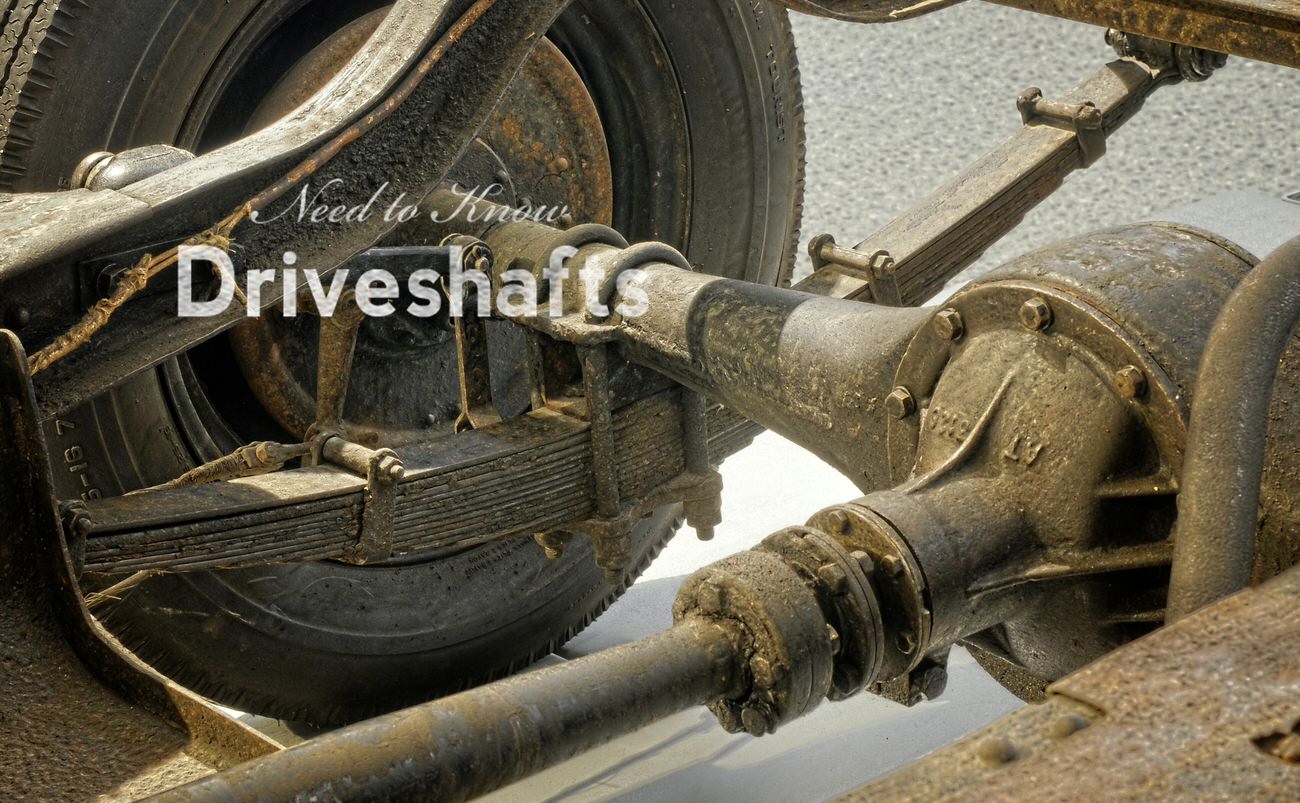
Today we are giving you a little insight on problems that arise with driveshafts, axle shafts, and CV joints. The most important takeaway, though, is that these problems can be caught and repair quickly and effectively. All you need to do is be sure to bring your car in for its regularly scheduled oil change and we inspect these parts to catch any issues before they become big problems.
Need to Know: Suspension & Steering

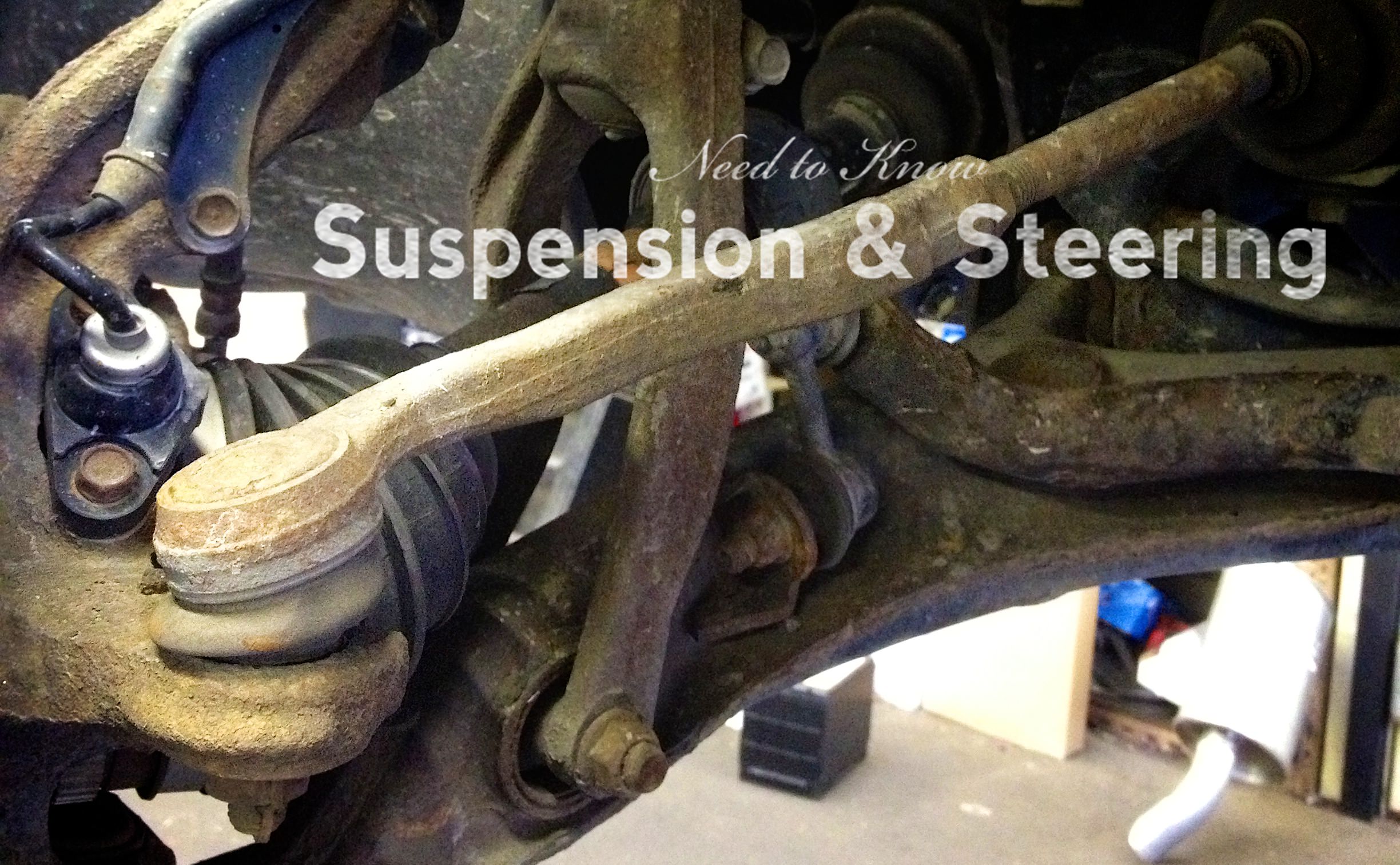
You know the old story of the frog in the boiling pot of water? It heats up so gradually he doesn't even notice until it is too late. That is a good analogy for steering and suspension problems. The symptoms are very gradual and they are easy to miss. That is why we take every car that comes in for an oil change out for a test drive. We notice these symptoms right away and do a front end inspection to make sure your steering and suspension systems are up to snuff.

Q&A: When should I switch to my winter tires?

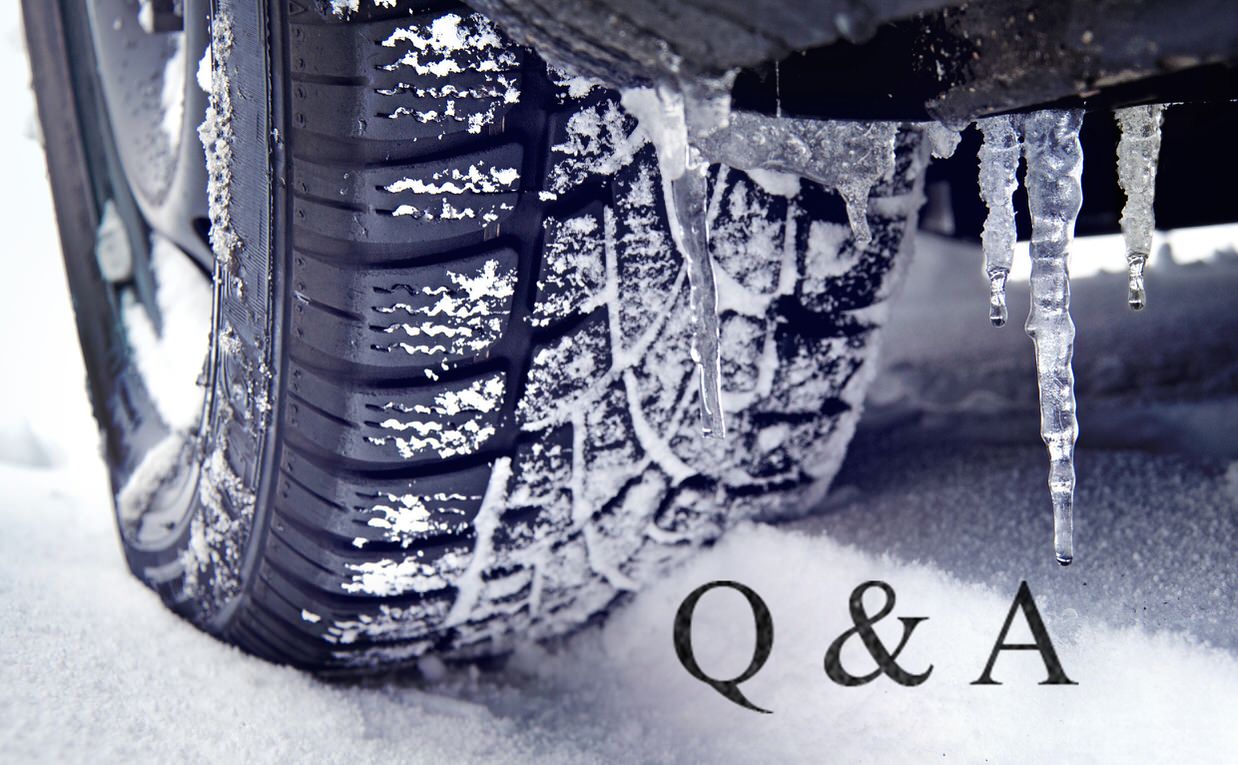
As the weather starts to to turn you are right to be thinking about switching over to your winter tires. When is the right time to do it to stay safe? We give you all the details in this week's Q&A.

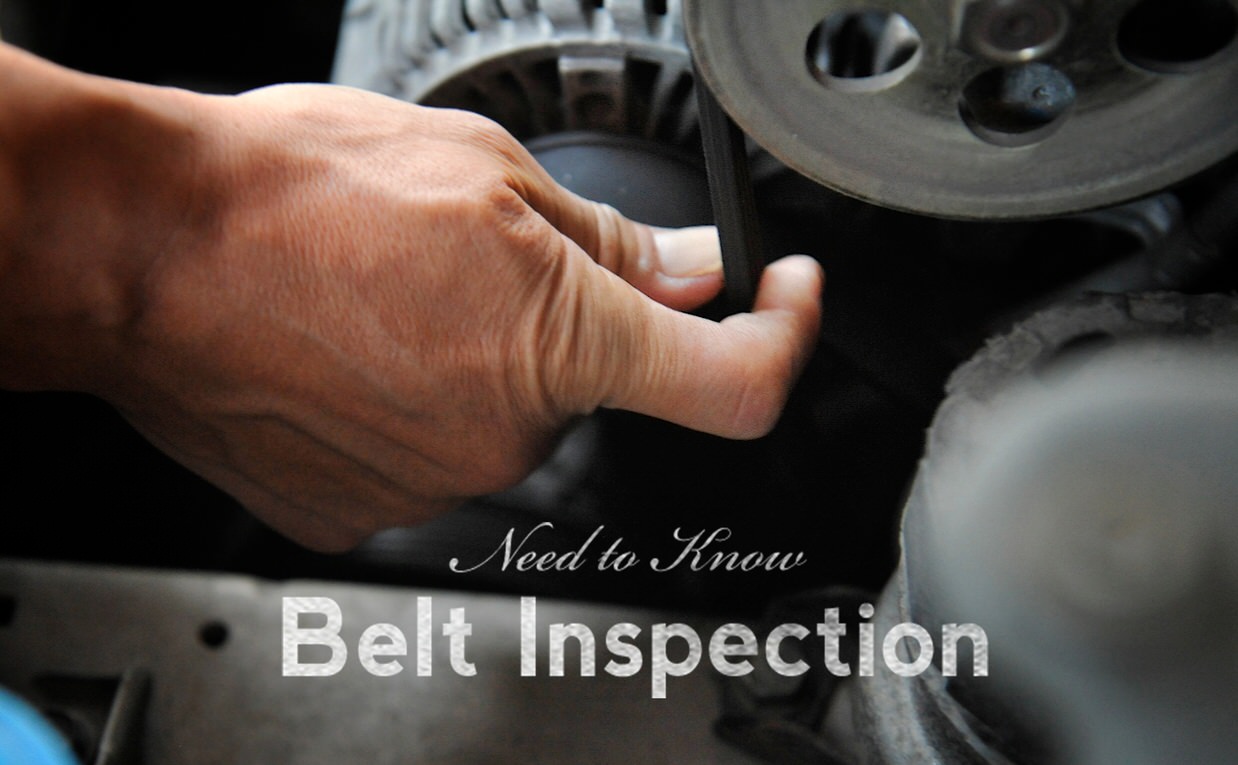
Need to Know: Belt Inspection

Your car's charging system is a veritable merry-go-round of energy transfer. Let's look at how belts keep your charged up and on the road, and what we can do to help keep your charging system in tip-top shape the next time you are in for an oil change.

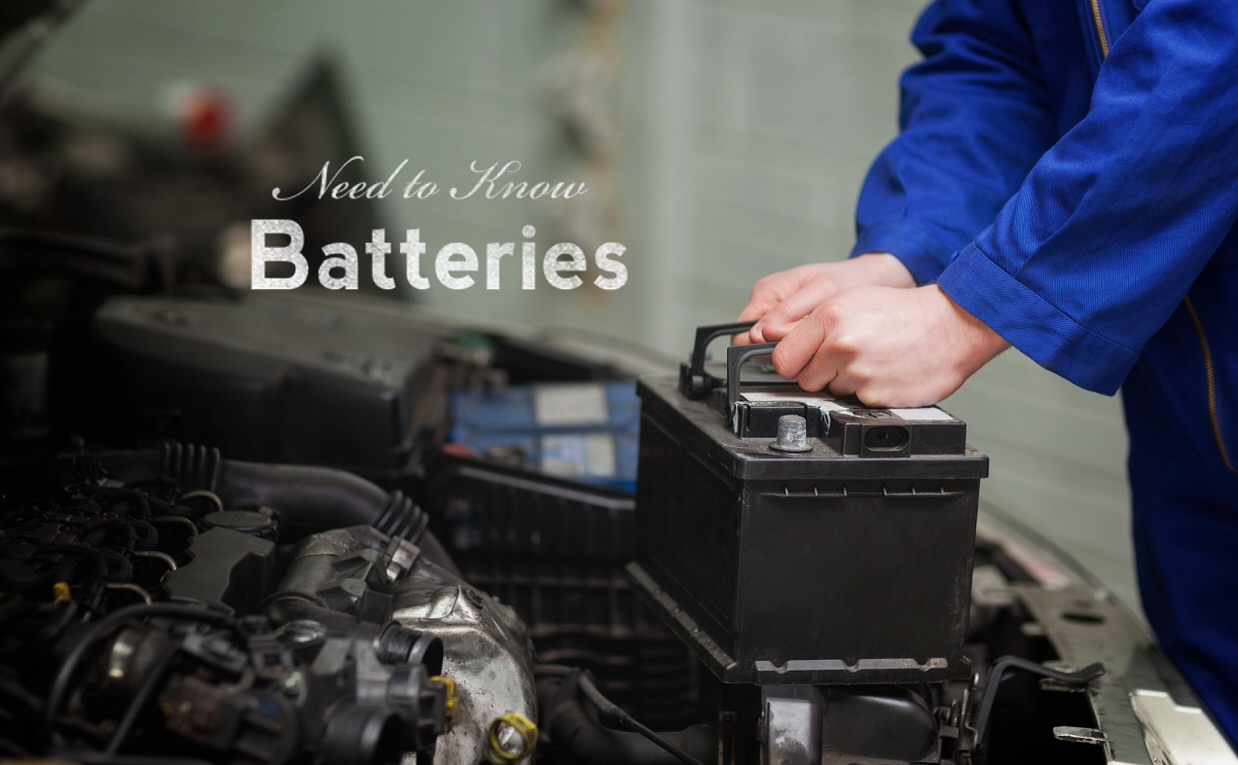
Need to Know: Batteries

We like to say that knowledge is power, but in this case, knowledge about your car battery actually IS power. Let’s take a quick look at how batteries work, how to maintain them, and how to get out in front of a failing battery before you are left stranded.

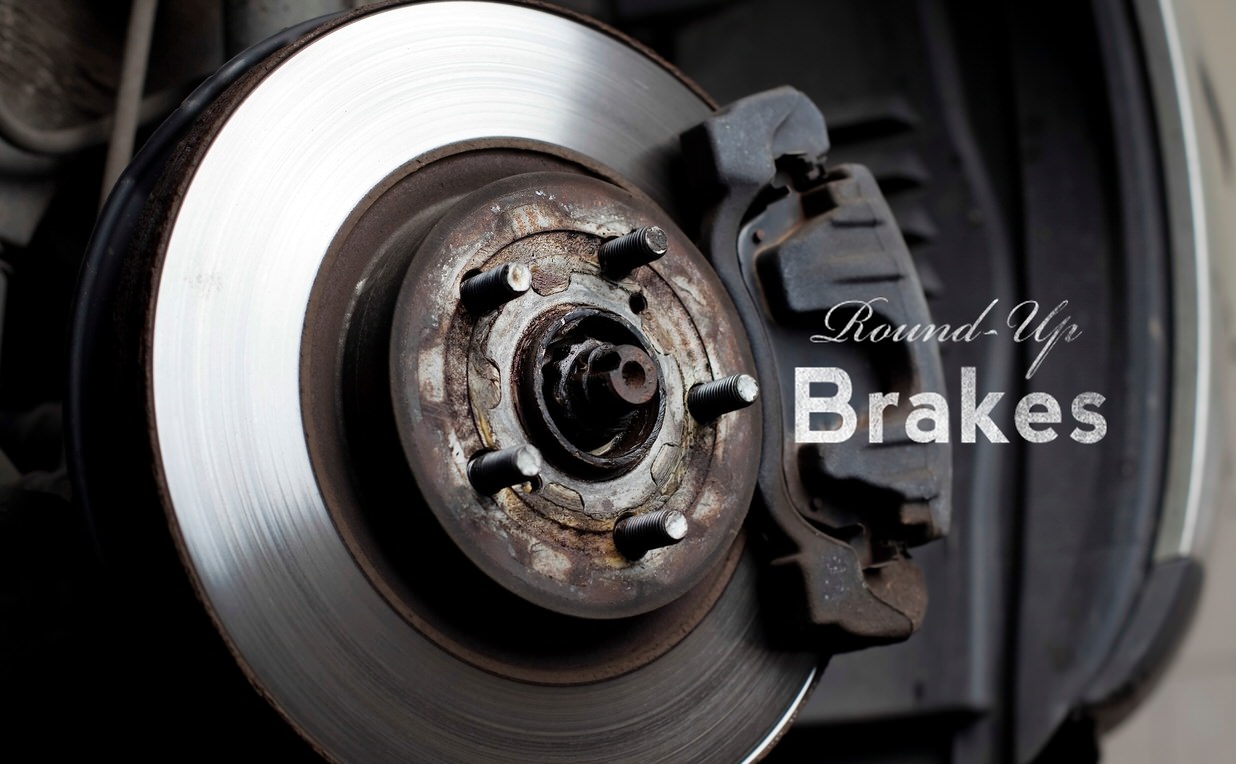
Brakes: Round-Up

We were hard at work last month writing in-depth articles about all aspect of brake service. We learned how the brakes work, how we maintain and repair them, what to do when your brake light comes on, and when it is time for a brake fluid flush to keep everything working smoothly. Welcome to the Need To Know Brakes Round-Up.

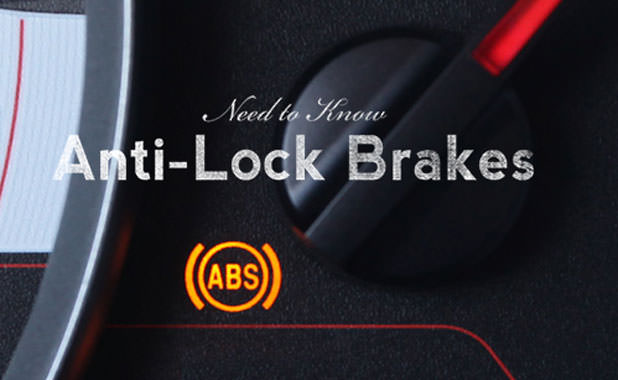
Need to Know: ABS

When the ABS light is illuminated, it is a warning that the anti lock braking system is not working. The conventional braking system on your vehicle is still safe and fully functioning but once the light is displayed the anti-locking enhancement has been automatically disengaged. That is when a scan tool is required to interrogate the ABS computer to discover the fault codes associated with it.

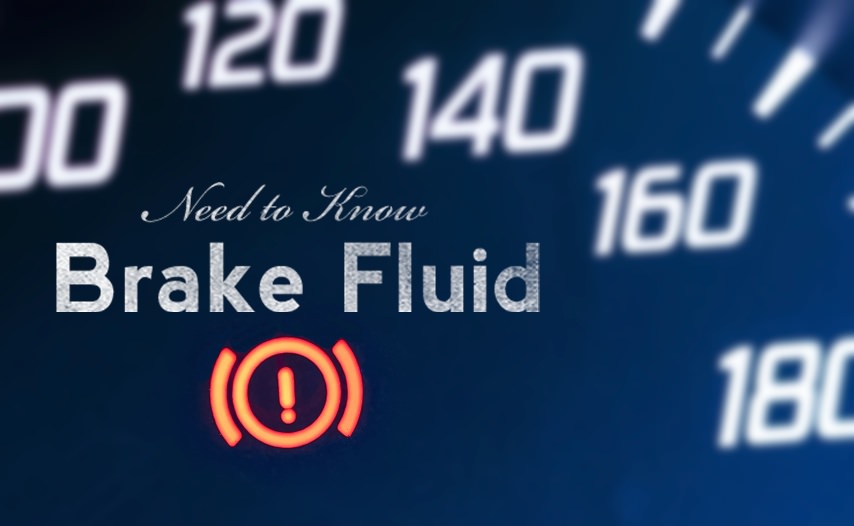
Need to Know: Brake Fluid Flushes

Brake fluid is contaminated over time due to extreme pressure, heat, and exposure to moisture. Failing to replace the fluid can impair braking ability. Learn about how we diagnose the problem and how you can recognize the symptoms in this week's "Need to Know".

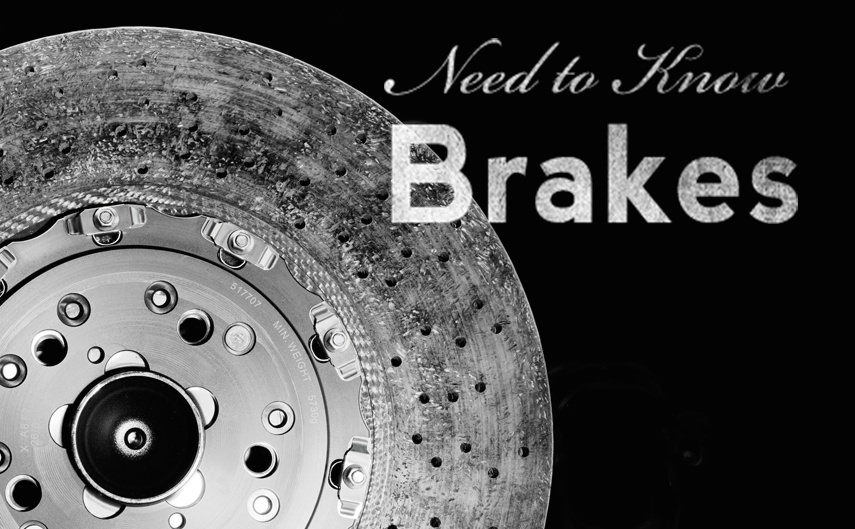
Need to Know: Brakes

Knowing that your brakes are in good working order brings peace of mind. This inspection helps identify parts that are worn or no longer meet design specifications before they damage other parts of the brake system.

The Tune-Up Round-Up

We have been hard at work over the last few months going in depth with every one of the services we offer at Parkside Motors. Once we get to the end of a series we put them all together in one place so new readers can have a look at what we have been up to. Last week we completed our series of articles on automobile maintenance and tune-ups so we are taking the opportunity to round them up and give them their due.

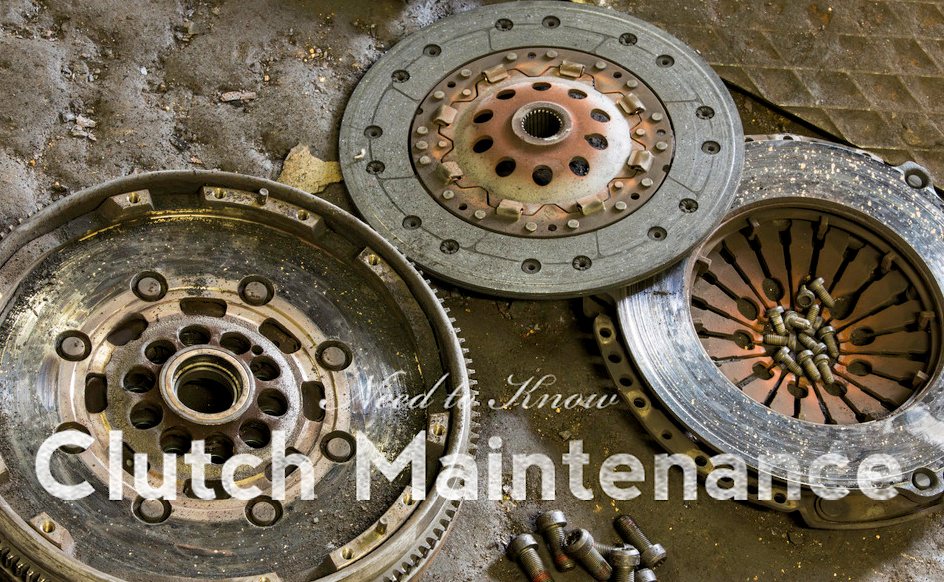
Need to Know: Clutches

On vehicles with standard transmissions, the clutch plays an important role in the operation of a vehicle in that it serves to connect the engine to the transmission. Clutches are no different than most other parts in your vehicle; they encounter a certain amount of wear and tear during normal driving circumstances and require replacement. Here we explain what a clutch does, how often they need replacement, and some tips on how to prolong the life of your clutch.

Need to Know: Exhaust

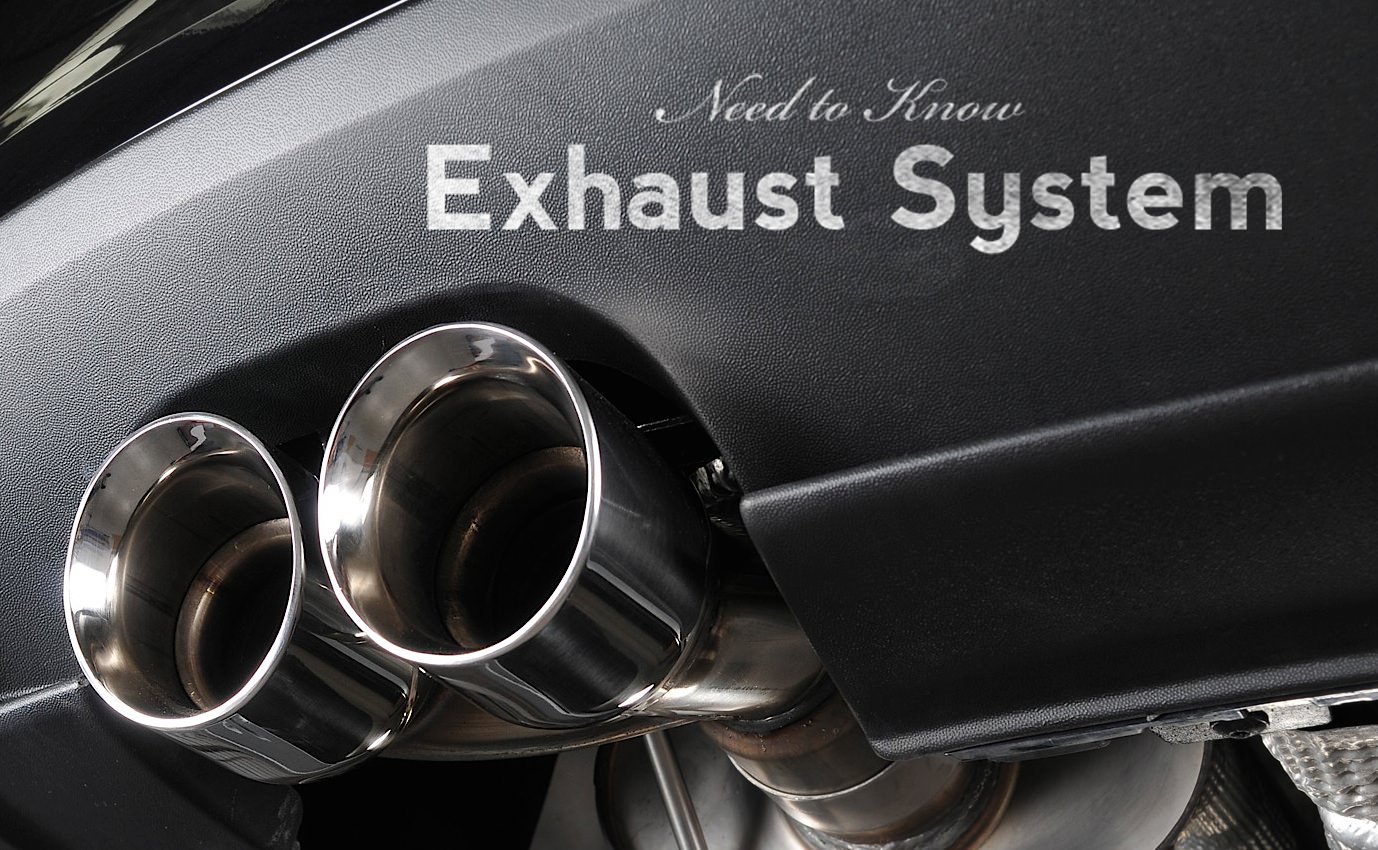
Your vehicle’s exhaust system is the piping used to guide reaction exhaust gases away from the controlled combustion inside your engine. A loud sounding exhaust is the easiest symptom to identify when your exhaust system needs maintenance or repair. Age and driving environment eventually wear these components out and develop leaks or they can fail internally as is the case with catalytic converters.
Back To Top